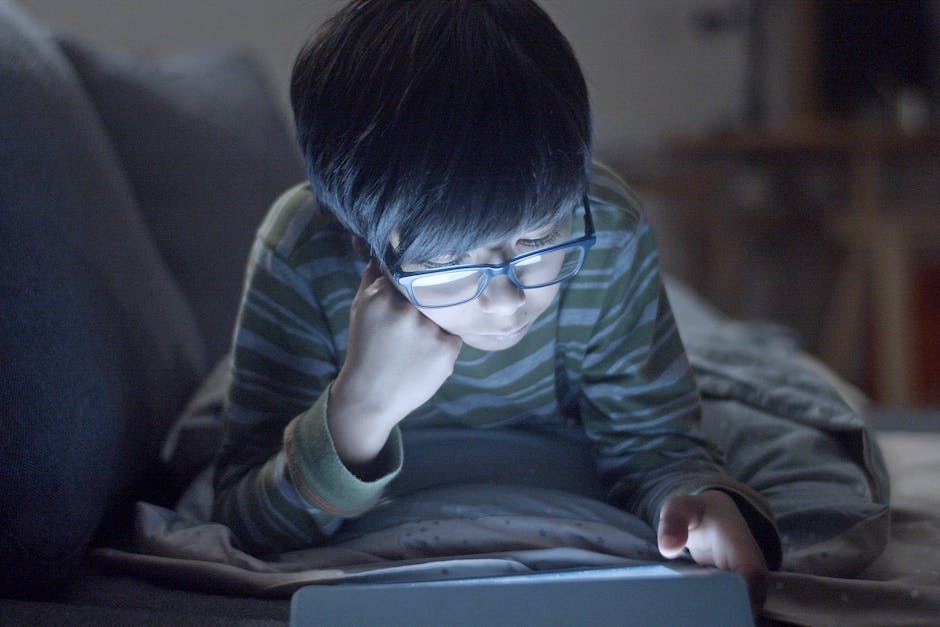
It starts in the quiet darkness of 3:14 AM. You stir, your eyes flutter open, and before your brain has fully registered where you are, your hand is already moving toward the nightstand. Within seconds, the harsh blue light of your screen illuminates your bedroom, and you are staring at a string of unread emails or the endless, hypnotic feed of a social media app. You told yourself you wouldn't do it, yet here you are—again. If you’re wondering, “Why does this phone habit keep happening?” you are certainly not alone.
As someone who has spent years covering wellness, I’ve heard this confession more than any other. We live in an era where our devices are designed to demand our attention, even when we are supposed to be in our most vulnerable, restorative state. But understanding why this sleep interruption occurs isn’t about shaming yourself for a lack of willpower; it’s about understanding the complex interplay between biology, technology, and the modern stress cycle.
The Physiology of the Glow: Why Your Phone Keeps You Awake
To understand the urge to check our https://bizzmarkblog.com/how-much-screen-time-before-bed-is-too-much-finding-balance-in-a-digital-world/ phones, we have to start with the biology of sleep. Your body operates on a circadian rhythm, a natural internal clock that is heavily influenced by light. When the sun goes down, your brain begins producing melatonin—the hormone responsible for signaling to your body that it’s time to wind down and sleep.
The screen of your smartphone emits short-wavelength "blue light," which is remarkably similar to the intensity of daylight. When you check your phone in the middle of the night, you are effectively telling your brain that the sun has risen. This suppression of melatonin doesn't just make you feel awake; it actively prevents your body from slipping back into the deep, restorative sleep cycles you need to function the next day.
Cognitive Arousal: Why Your Brain Can’t Switch Off
Beyond the light, there is the issue of cognitive arousal. When you wake up and check your notifications, you aren't just looking at a screen; you are engaging in an information-gathering mission. Whether it’s an urgent email from a boss, a news alert, or a notification from a friend, your brain immediately switches from “rest mode” to “problem-solving mode.”
Even if the information is mundane, your brain reacts to the stimulation by releasing dopamine. This creates a feedback loop. Your brain starts to associate the phone with a sense of "knowing what’s happening," which provides a temporary, false sense of security. The problem is that once you’ve triggered that alertness, it can take anywhere from 20 to 60 minutes for your brain to wind down enough to fall back into a proper sleep state.
Blurred Boundaries and the Remote Work Effect
For many of us, the pandemic changed how we work, but it also changed where we work. When your living room is your office, the boundaries between "professional" and "personal" space evaporate. This creates a state of chronic low-grade anxiety. Because our digital devices are the portals through which we conduct our work, they have become symbols of our obligations.
When you wake up in the middle of the night, your brain is often scanning for threats. In the modern workspace, those "threats" often manifest as unanswered emails or pending projects. This phenomenon has turned the phone habit into a safety blanket of sorts—a way to ensure you aren't missing a disaster, even though checking that phone at 3 AM is, in itself, a disaster for your sleep hygiene.
The Role of Mental Fatigue and Burnout
If you find that your night wakings are accompanied by a sense of dread or an inability to calm your thoughts, it is worth looking into the broader context of your mental health. Organizations like Mind, a leading mental health charity, often highlight that burnout isn’t just about feeling tired—it’s about a feeling of detachment and constant emotional exhaustion. When we are burned out, we lose the ability to regulate our impulses. Checking your phone becomes a coping mechanism for the anxiety that keeps you awake in the first place.
Recognizing the signs of burnout is crucial. If you feel like your sleep is constantly being hijacked by worries or digital compulsions, it may be time to seek support. Sometimes, the issue goes deeper than just "bad habits" and requires a more compassionate, structured approach to stress management.
When Should You Seek Help?
Persistent sleep interruption is more than just a nuisance; it is a health concern. While many people try to track their habits using sleep-tracking apps—which can be a helpful tool for identifying patterns—sometimes the data confirms what you already know: you aren't sleeping enough. If you’ve implemented lifestyle changes and still find yourself trapped in a cycle of insomnia, it is worth consulting with a professional.
For those dealing with more chronic sleep disorders or severe anxiety, specialized clinics can offer targeted support. For example, Releaf, the UK’s largest medical cannabis clinic, focuses on providing patient-centered care for those whose health conditions—which can often include sleep-related issues—are not adequately managed by conventional methods. Seeking professional guidance is not a sign of weakness; it is a sign that you value your long-term health over short-term fixes.

Practical Strategies to Break the Cycle
Breaking the phone habit is rarely about cold-turkey abstinence. It’s about building friction between you and your device. Here are some low-pressure, actionable steps to help you reclaim your night:
- The "Analog Transition": Buy an old-school alarm clock. By removing the need for your phone to be your alarm, you eliminate the biggest excuse for keeping it on the nightstand. Charge in Another Room: If the phone isn't in reach, the habit cannot trigger. Plug your phone in the kitchen or hallway overnight. The 30-Minute Buffer: Aim to put your devices away 30 minutes before bed. Use this time to read a physical book or listen to a low-stimulation podcast. Use "Grayscale" Mode: Most smartphones have an accessibility setting that turns the screen black and white. This makes the phone significantly less visually stimulating and addictive. Mindful Observation: The next time you reach for your phone in the night, pause. Ask yourself: "Am I checking this to be productive, or am I checking this to soothe my anxiety?" Simply naming the feeling can often be enough to make you put the phone down.
Comparison of Sleep Interruption Tools
Many people use technology to fix the problems technology caused. Here is a quick look at how different tools play a role in your nightly routine:
Tool Category Pros Cons Sleep-Tracking Apps Provides data on sleep cycles and disturbances. Can lead to "orthosomnia," or anxiety about achieving "perfect" sleep scores. "Do Not Disturb" / Focus Modes Prevents notification pings from waking you up. Doesn't stop the manual urge to check the screen. Physical Alarm Clocks Eliminates the primary reason to keep a phone by the bed. Requires an upfront purchase and a change in behavior. Blue Light Blocking Glasses Reduces eye strain and melatonin suppression. Doesn't address the psychological urge for stimulation.Final Thoughts: Be Kind to Yourself
If you wake up tonight and find your hand reaching for your phone, don't spiral into self-criticism. Change is incremental. You are navigating a world that is built to keep you scrolling, and your brain is simply doing what it has been conditioned https://highstylife.com/how-to-transform-your-bedroom-into-a-sleep-friendly-sanctuary/ to do.
Start small. Try one night with the phone in another room. If you feel anxious, acknowledge that feeling without judgment. You are learning to re-establish a boundary with technology, and that process takes time. Your sleep is a vital part of your well-being, and you deserve the quiet space to recover from the day. By treating your night wakings with curiosity rather than shame, you’ll find it much easier to put the screen down and drift back into the rest you truly need.