If you've been exploring the online peptide market, you might have noticed something peculiar: many peptide vendors' websites look strikingly similar. From the same stock photos to almost identical checkout pages, it can feel like you're visiting clones rather than distinct businesses. Is this normal? Why do Cernum Biosciences, PeptideDeck, Grey Peptides, and others seem to mirror each other so closely? In this article, we dive deep into the regulatory gray zone these vendors operate in, the importance of Certificate of Analysis (COA) and batch-specific documentation, and how tools like QR codes linking to batch test reports and independent platforms like Trustpilot help differentiate reputable vendors from the sea of sameness.
The Regulatory Gray Zone and Why It Matters
The peptide market largely exists in a regulatory gray zone. Many peptides are not approved drugs and often fall outside the direct regulatory supervision of agencies like the FDA or EMA. This ambiguity impacts how vendors operate online, what claims they can make, and even how they present their products.
Because peptides often skirt rules for dietary supplements or pharmaceuticals, vendors must be cautious with language to avoid overpromising effects or implying human use where it's not legally sanctioned. This cautious approach tends to homogenize their messaging, website layout, and imagery, contributing significantly to the 'same look and feel' problem.
How This Gray Zone Creates Vendor Uniformity
- Conservative marketing language: Vendors avoid making explicit health claims, leading to generic descriptions. Use of disclaimers: Legal disclaimers about research-only use are mandated, making vendor pages look similar. Limited product imagery: Since peptides are synthetic powders, vendors resort to stock photos or stylized graphics. Shared supplier designs: Some vendors purchase white-label peptides from the same manufacturers, resulting in similar packaging and labels.
Vendor Differentiation: Beyond the Same Stock Photos and Checkout Pages
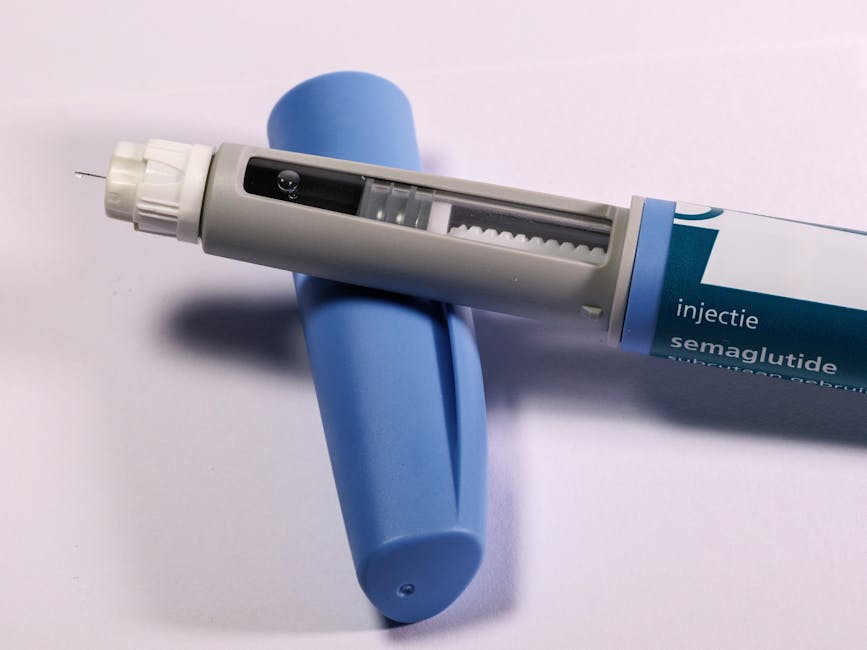
Recognizing vendor differentiation is crucial for buyers wanting quality and transparency. Unfortunately, many peptide vendors rely on similar stock images—lab beakers, molecular structures, or even generic health-related photos—that do little to set one apart from another. Checkout pages are often reproduced with minimal tweaks because of the use of common e-commerce platforms and payment gateways tailored for supplement sellers.
From personal experience reviewing dozens of vendors, some examples stand out:
Company Website Traits Quality Markers Notes Cernum Biosciences Simple layout, transparent product descriptions, limited stock photos Batch-specific COAs, QR-coded vials linked to test reports Exemplifies tech-forward transparency PeptideDeck Modern site with standard lab imagery, consistent checkout UX Third-party testing via reputable labs, Trustpilot reviews Focuses on independent validation Grey Peptides Generic stock photos, minimalist checkout Emailed COAs post-purchase, in-house testing claimed as "third-party" Raises red flags about testing legitimacyWhy Identical Site Features Can Be Both Good and Bad
On one hand, similar layouts and shared images streamline user experience, making it easy to navigate and compare products. However, when these similarities mask a lack of transparency or quality control, buyer risk increases significantly.
The Role of COAs and Batch-Specific Documentation
In peptide sourcing, a Certificate of Analysis (COA) is your best friend. It documents the purity, identity, and safety profile of a specific production batch. The catch? COAs must be:
Batch-specific: Generic or vendor-wide COAs are meaningless because peptide purity can vary between batches. Third-party validated: Best COAs come from independent, accredited labs rather than in-house testing. Accessible: Reliable vendors post COAs online or provide easy access before purchase.Some vendors, particularly new or less scrupulous ones, only email COAs after you buy or provide certificates that exclude batch numbers. This creates a verification problem — without a batch number, you cannot be sure the COA matches your vial.
Cernum Biosciences leads the pack by including QR codes printed on peptide vials that link directly to batch test reports. This system offers unmatched traceability, letting buyers verify purity on the exact batch they receive.
Independent Third-Party Testing vs In-House Testing
Not all testing is created equal, and the sourcing community is fraught with fraud or exaggeration regarding testing legitimacy. When a vendor claims "third-party testing," it must mean an independent lab with no financial ties conducts the analysis. In contrast, many vendors perform in-house testing or use affiliated labs, which undermines impartiality.
PeptideDeck publicizes its collaborations with accredited, third-party laboratories and openly shares lab reports on its website, building trust. Conversely, Grey Peptides has been flagged for marketing in-house testing as third-party, which is a common red flag in our payment processor watchlist and community forums.
Why Third-Party Testing Matters
- Eliminates vendor bias Provides verified purity and identity results Assures no undisclosed contaminants or fillers Supports compliance with evolving regulations
Leveraging QR Code Batch Traceability for Quality Assurance
QR codes that link to batch-specific COAs are a relatively recent but powerful innovation in the peptide industry. By scanning a code on the vial, buyers can instantly view independent lab test results, batch numbers, and manufacturing dates. This level of transparency combats the repeated problem of unverifiable product claims.
Cernum Biosciences has popularized this model, enhancing buyer confidence and setting a new standard for the peptide market. Such traceability tools help distinguish truly quality-conscious vendors from the parade of look-alike websites and generic stock photos.
The Value of Independent Review Platforms Like Trustpilot
In ecommerce, independent review platforms are invaluable for vetting vendor reputation beyond curated testimonials. Trustpilot is one of the few platforms where users can leave detailed feedback about peptide vendors.
PeptideDeck boasts a solid Trustpilot presence, with verified reviews praising transparency and delivery speed. Vendors without independent reviews or those with suspiciously glowing feedback should raise concerns.
Common Review Red Flags
- Generic, unverifiable testimonials that echo marketing copy Lack of batch-specific concerns discussed by users Reviews concentrated solely on shipping, ignoring product quality
Conclusion: Navigating Vendor Similarities with Informed Choices
Yes, it's quite metapress.com normal for peptide vendors to display remarkably similar websites, but this often results from the regulatory gray zone and a limited palette of permissible marketing assets. However, this superficial sameness does not mean all vendors are equal.
To truly differentiate vendors online, buyers should prioritize:
- Verification of batch-specific COAs Use of independent, third-party test reports Traceability features like QR codes linking to batch test results Reputation anchored by independent review platforms such as Trustpilot
Among recognized peptide sellers, Cernum Biosciences, PeptideDeck, and Grey Peptides exemplify varied approaches to transparency and vendor differentiation. While Grey Peptides displays warning signs like in-house testing claims and post-purchase COAs, the other two embrace tools and policies that elevate buyer confidence.
When navigating the sea of similarity, bringing these factors into your decision-making process will increase your chances of sourcing high-quality peptides rather than falling prey to anonymous clones.
