As cannabidiol (CBD) continues its rise in popularity, many people wonder how—or even if—they should disclose their CBD use to healthcare providers. Particularly when filling out medical intake forms, which often ask for supplements or medications, users face questions like: Do I list CBD as a supplement? Is it considered a medication? What does disclosure even mean in this context? In this guide, I break down the important facts you need to know about CBD, its legal and medical status, and best practices for supplement disclosure on medical forms.
CBD Basics: What It Is and Isn’t
First, let’s clarify what CBD actually is. Cannabidiol is one of many cannabinoids found in cannabis plants. Unlike its cousin tetrahydrocannabinol (THC), CBD is non-intoxicating, meaning it doesn’t produce a “high.” This is crucial because the potential for intoxication often shapes how healthcare providers view substances.

THC is the primary Website link psychoactive compound responsible for cannabis intoxication. By federal law following the 2018 Farm Bill, hemp-derived products like CBD must contain less than 0.3% THC by dry weight. This low THC level means most reputable CBD products won’t cause intoxication or show up as “positive” on standard drug tests focused on impairment, but it is important to confirm with lab testing.
Why Does This Matter?
- Non-intoxicating: CBD won’t impair you or cause a “high” like THC. Legal distinction: Hemp-derived CBD with under 0.3% THC is federally legal. Medical perspective: Providers differentiate between intoxicating cannabis and hemp-derived CBD.
CBD and FDA Approval: The Medical vs. OTC Divide
The Food and Drug Administration (FDA) distinguishes CBD-containing products based on their intended use:
- Prescription CBD: The FDA has approved a purified CBD drug, Epidiolex, for treating severe seizure disorders (Lennox-Gastaut syndrome and Dravet syndrome). This is a tightly controlled pharmaceutical product with proven safety and efficacy at specific doses. Over-the-counter (OTC) CBD: These products — like those from brands such as Joy Organics — are sold as dietary supplements or wellness products. The FDA currently does not approve CBD supplements for treating medical conditions, and they cannot legally make health claims.
This creates a gray area in medical settings because your provider needs to know if you’re using FDA-approved CBD medication or OTC supplements, which may vary widely in 2018 farm bill hemp definition quality and ingredients.
The Legal Landscape: What Does the 2018 Farm Bill Mean?
The 2018 Farm Bill legalized hemp farming and the sale of hemp-derived products at the federal level, provided the products contain less than 0.3% THC. This spurred massive growth in the CBD market, but regulations for manufacturing, quality, and marketing remain somewhat patchy. As a result, you can find everything from high-quality, rigorously tested supplements to poorly regulated products with mislabeled cannabinoid content.
Why This Legal Background Matters When Listing CBD on Intake Forms
Because THC content establishes whether a product is federally legal hemp or controlled cannabis, disclosing your product details to your provider becomes critical. For example, a CBD supplement that contains measurable THC (perhaps over the legal limit) may interact with medications or raise safety concerns. Meanwhile, true zero-THC products avoid these issues but require confirmation.
Quality Variation in CBD Products: Why Certificates of Analysis (COAs) Matter
One of the biggest challenges consumers face is product quality variability. Without rigorous testing, you can never be certain what’s in your CBD supplement.
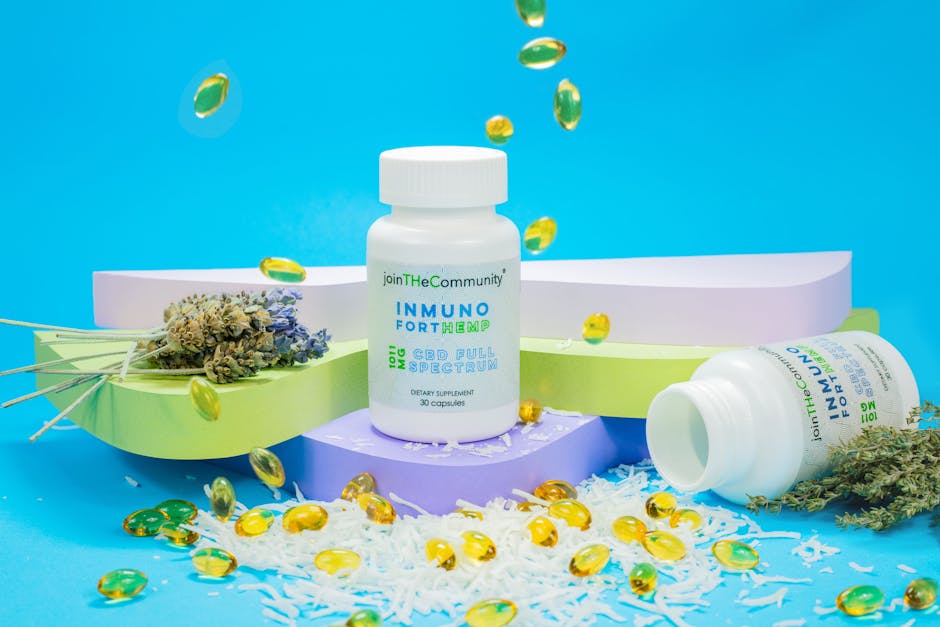
This is where a Certificate of Analysis (COA) becomes essential. These batch-specific lab reports — commonly provided by reputable companies like Joy Organics — detail cannabinoid levels, THC content, terpene profiles, and possible contaminants like pesticides or heavy metals.
- Batch-specific COA: Always ask for a batch-specific COA, meaning a test result tied to your exact product batch, not just a generic “this brand is good” report. Transparent labeling: Beware vague claims like “THC-free” without COA backing, as “THC-free” often means “below testing limits” but not necessarily zero THC. Why it matters for medical disclosure: Sharing your COA with your healthcare provider can help them understand exactly what cannabinoids and compounds you’re consuming, which can impact medication choices and safety monitoring.
Should You List CBD on Your Medical Intake Form?
Short answer: Yes, you should disclose CBD use on your medical intake forms under supplements or medications, whichever your form requests.
Here’s why:
Medication interactions: CBD can affect enzymes that metabolize many prescription drugs, altering their levels in your blood. Dosing clarity: Knowing your CBD use helps your provider assess any unusual symptoms or lab results. Legal and safety transparency: Your provider can better guide you when they know exactly what you’re taking, especially if the product contains low levels of THC.How to Disclose CBD Use Correctly
- List it under supplements or medications: If the form has a “supplements” section, write “CBD oil” or “CBD supplement.” If it only has “prescription/OTC medications,” include it there and clarify it’s a supplement. Include product details: Note brand names (e.g., Joy Organics) and form (tincture, softgels, gummies). Mention dosage: Provide approximate daily amount in milligrams. Bring COA if possible: If your provider is unfamiliar or concerned, sharing a batch-specific COA helps with safety assessment.
What Healthcare Providers Need to Know About CBD Supplement Disclosure
Providers often rely on intake forms to obtain a full picture of your medications and supplements. However, many still lack detailed knowledge about CBD’s pharmacology, legal nuances, and quality concerns. As users, being proactive and clear when filling out forms helps improve your care.
Doctors want to know:
- Exact CBD content and source to gauge potential drug interactions. Presence of THC or other cannabinoids because of possible side effects or legal implications. Why you’re using CBD to understand context and identify any related health issues.
Summary: Practical Tips for Telling Your Provider About CBD
Step What to Do Why It Matters 1. List CBD on the intake form Put CBD supplement or medication on form, specifying product name Ensures provider has complete picture of all substances 2. Provide dosage and frequency State approximate mg per day and how often you take it Helps estimate cannabinoid exposure and interaction potential 3. Share COA if available Bring batch-specific lab report or link to manufacturer’s report Confirms product purity and THC content, improving safety assessment 4. Avoid vague claims Don’t rely on “THC-free” or “miracle” language without evidence Clear communication prevents misunderstandings 5. Discuss reasons for use Explain if using for anxiety, pain, sleep, or other issues Aids provider’s clinical decision-makingFinal Thoughts
While the legal and regulatory environment for CBD supplements evolves, transparency with your healthcare provider remains the best policy. Listing your CBD use on medical intake forms under supplements—and backing it with lab-tested quality information whenever possible—helps optimize your safety and care. Brands like Joy Organics represent a model of trusted, transparent CBD products that provide batch-specific Certificates of Analysis (COAs) to ensure quality and accurate disclosure.
Remember, “natural” does not always mean “risk-free,” and ignoring potential drug interactions can have serious consequences. Being open and informed about how you use CBD will empower both you and your healthcare team.
If you’re new to CBD or considering adding it to your health regimen, speak openly with your provider, list it honestly on all intake forms, and always choose products with transparent, verifiable lab testing. Your safety and effective care depend on it.