You’ve seen them. You’ve likely scrolled past ten of them while waiting for your morning coffee. Someone in a white coat—or someone with excellent lighting and a confident demeanor—is telling you that your chronic fatigue is actually a copper deficiency, or that a specific herbal supplement will "reset" your https://radical.fm/information-access-has-changed-the-way-people-explore-wellness-topics/ nervous system in forty-eight hours.
The rise of short-form health videos, particularly the phenomenon often labeled as "TikTok wellness," has fundamentally changed how we engage with our bodies. But we have to ask the uncomfortable question: where did that claim come from? And, more importantly, are these bite-sized clips actually improving our health literacy, or are they just fueling the cycle of health anxiety?
The Shift Toward "Search-First" Healthcare
Gone are the days when the first step for a health concern was a phone call to a GP. Today, the "search-first" behavior is the standard. We reach for our smartphones the moment we feel a twinge of pain or a drop in mood. We aren't just searching for symptoms anymore; we are consuming algorithmic suggestions based on our previous engagement.
This is the "always-on" wellness culture. It promises immediacy. It offers quick education. However, it often skips the most critical step of healthcare: individual context. A 60-second video cannot account for your medical history, your current prescriptions, or your genetic predispositions. When a creator promises a "miracle" cure for systemic inflammation in a minute or less, my internal alarm bells start ringing. Where is the peer-reviewed evidence? Where is the disclosure of conflict of interest?
The Credibility Gap in Quick Education
Not all short-form health content is predatory, but the medium itself is structurally flawed for nuance. Health is rarely simple, yet social media platforms prioritize engagement—not accuracy. Algorithms favor content that is punchy, controversial, or emotionally resonant.
This creates a massive credibility gap. Legitimate medical bodies, such as the NHS, are bound by strict clinical guidelines and evidence-based medicine. They don’t produce content that promises "miracle" results because they know that biology doesn't work in miracles. They deal in probabilities and long-term outcomes.
In contrast, the influencer space often relies on anecdotal "hacks." Here is how you can spot the difference:
- Evidence-Based Content: References specific studies, mentions limitations, and directs you to a professional consultation. Click-Bait Wellness: Uses vague language like "detox," "reset," or "miracle cure," and lacks any link to primary clinical research.
Comparing Media Formats for Health Information
It is helpful to contrast short-form videos with other digital health resources we rely on today. Smartphones have made information ubiquitous, but the format determines the depth of that information.

Bridging the Gap: Telehealth vs. TikTok
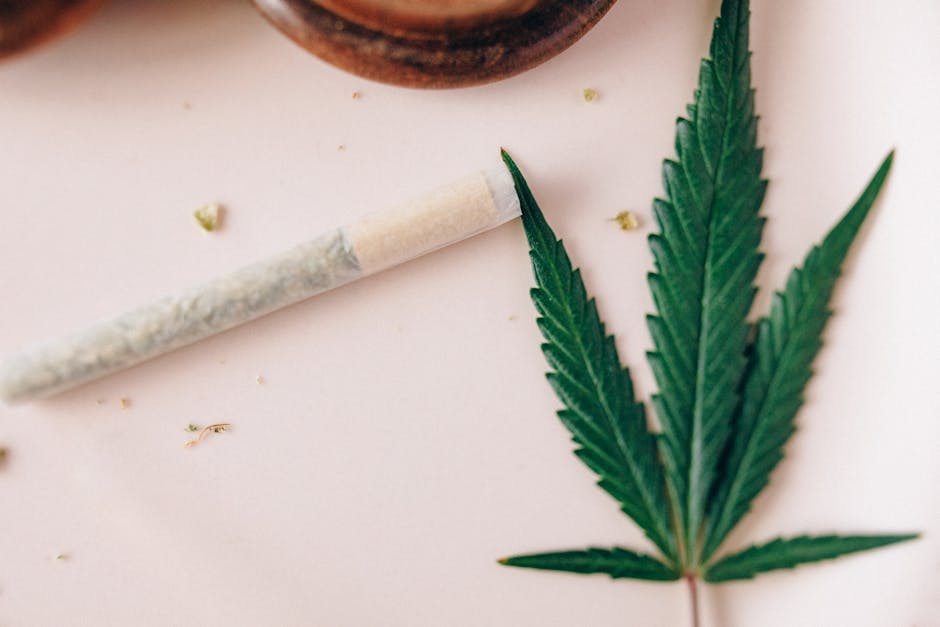
There is a necessary distinction between "health entertainment" and actual medical care. We are seeing a new wave of digital health clinics that are attempting to professionalize the online space. For instance, companies like Releaf (a UK medical cannabis clinic) operate within a framework of clinical oversight and patient advocacy. They represent the responsible side of digital wellness: providing access to information and treatment via telehealth, but strictly within the bounds of UK regulatory standards.
This is the antithesis of the "TikTok wellness" trend. While an influencer might suggest a supplement because of a brand partnership, a clinical entity has a duty of care. They are asking about your history. They are monitoring your dosage. They are evidence-based, not engagement-based.
The Danger of "Expert" Overconfidence
One of my biggest pet peeves is the "overconfident medical influencer." You know the type—they speak with such absolute certainty that you feel foolish for *not* having tried their specific protocol. They don't use phrases like "current research suggests" or "speak to your doctor about whether this is right for you." They use phrases like "this is the only way to heal."
When you see this language, stop. Ask yourself: Where did that claim come from? If there is no link in the description, no mention of the study size, or no citation of a reputable medical journal, treat it as entertainment, not advice. Never confuse high production value with high clinical authority.
How to Consume Health Content Responsibly
I am not suggesting you delete your social media apps or ignore health creators entirely. There is value in quick education, especially for normalizing conversations around stigmatized topics like mental health or chronic pain. However, you must become an active auditor of your own feed.
Verify the Source: Is the person giving the advice a licensed professional? If they are, why are they dispensing medical advice on an app rather than in a clinic? Check for Conflicts: Are they selling the product they are recommending? If they are, their "educational" video is actually an advertisement. Look for the "But": Real medicine usually has caveats. If a video presents a solution as a "one-size-fits-all" answer, it is almost certainly ignoring the complexity of human biology. Cross-Reference: If you hear a shocking health claim on a short-form video, spend two minutes searching the NHS website or a peer-reviewed database like PubMed.The Bottom Line
Are short-form wellness videos useful? They can be useful for inspiration and for raising general awareness. They are excellent for reminding you to drink water, practice mindfulness, or recognize the signs of burnout. But they are not, and will never be, a substitute for professional clinical care.
We are currently living through an era of "always-on" wellness research, where we are bombarded with information. But information is not the same as wisdom. Wisdom requires discernment. It requires us to slow down our consumption, even when the platform is designed to make us speed up.
If you find yourself relying heavily on short-form videos for your healthcare decisions, take a step back. Use your smartphone to find a qualified professional, not a viral hack. Your health is too complex to be condensed into a 60-second soundbite. Always demand the evidence, always question the motive, and above all, never let a trending algorithm dictate your medical protocol.